Medical Response Service Dogs
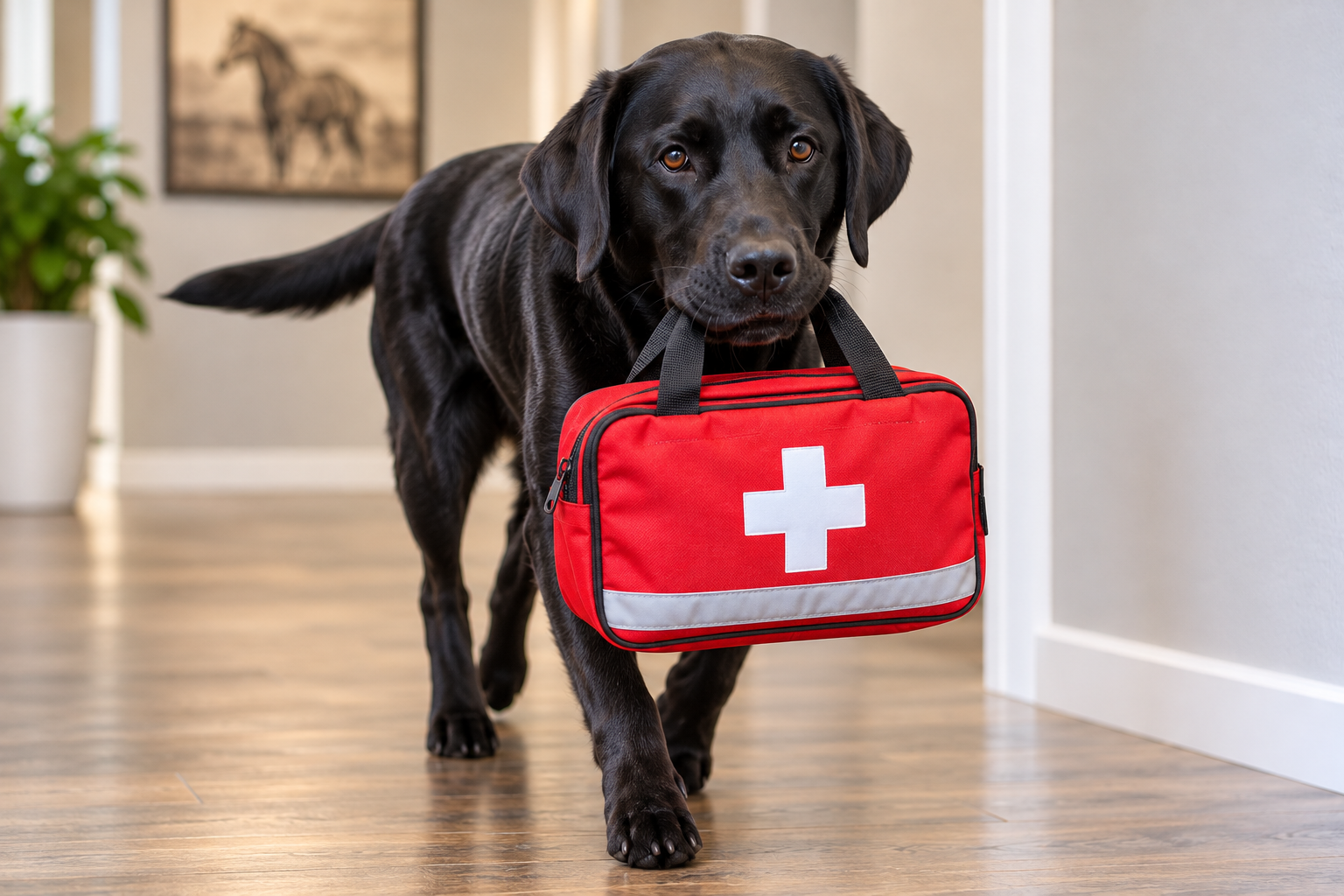
Medical response service dogs are specially trained to assist individuals living with medical conditions by performing specific tasks during or following a medical event. These tasks may include retrieving medication or medical supplies, seeking assistance, or providing other trained responses that support their handler’s safety and independence.
At Summit Service Dogs, we recognize that every individual’s needs are unique. Our medical response service dogs are trained to perform tasks tailored to their handler’s specific needs, helping provide greater confidence, independence, and peace of mind in everyday life.
Whether providing support during overwhelming situations, assisting with safety-related tasks, or helping with daily routines, our service dogs are trained to meet the specific needs of their handlers.
How Can a Medical Response Service Dog Help?
Medical response service dogs are trained to perform specific tasks that assist individuals during or following a medical event. Depending on their handler’s needs, these tasks may include retrieving medication or supplies, bringing a phone, activating an emergency alert system, or seeking assistance. Each dog’s training is tailored to the individual’s medical needs, helping promote greater safety, confidence, and independence in everyday life.
Retrieving Medical Supplies
Trained to retrieve medication, medical kits, or other essential supplies when their handler needs assistance.
Getting Assistance
Trained to seek help from another person or activate an appropriate assistance device when their handler experiences a medical event.
Supporting Safety
Trained to perform specific tasks that support their handler’s safety during or following a medical event.
Recovery Assistance
Trained to provide specific assistance following a medical event, such as retrieving a phone or essential items while their handler recovers.
Medical Conditions We May Support
Medical response service dogs can assist individuals living with a variety of medical conditions by performing specifically trained tasks during or following a medical event. The assistance provided depends on the individual’s needs and the tasks a dog can reliably perform. At Summit Service Dogs we assess each prospective handler individually to determine whether a medical response service dog may be an appropriate fit. Our dogs are trained to respond to medical events rather than detect or predict them through sent.
Diabetes
A medical response service dog may be trained to retrieve glucose supplies, bring a phone, or seek assistance when their handler experiences a medical event related to diabetes.
POTS
For individuals living with POTS, a medical response service dog may be trained to retrieve water, medication, or a phone, and seek assistance when their handler experiences symptoms such as dizziness or fainting.
Allergies
For individuals at risk of allergic reactions, a medical response service dog may be trained to retrieve an epinephrine auto-injector, bring a phone, or seek assistance during an emergency.
Epilepsy
A medical response service dog may be trained to retrieve a phone, activate an assistance device, or seek help following a seizure, depending on their handler's individual needs.
Other Cardiac Conditions
For individuals living with certain cardiac conditions, a medical response service dog may be trained to retrieve medication, bring a phone, or seek assistance during or following a medical event.
Other Medical Conditions
Medical response service dogs may also assist individuals with other medical conditions when specific, reliable tasks can be trained to support their needs. Each potential partnership is assessed individually to determine whether a service dog is appropriate.
Medical Response vs. Medical Alert: What's the Difference?
Although medical response and medical alert service dogs both support individuals with medical conditions, there is an important distinction between the two. Medical response dogs are trained to perform specific tasks during or following a medical event, while medical alert dogs are trained to provide an alert before or at the onset of an event, potentially giving their handler time to take preventative action.
Our Approach at Summit Service Dogs
At Summit Service Dogs, we specialize in training medical response service dogs to perform reliable, task-specific behaviours that support their handlers during or following a medical event.
While some service dogs may be trained to detect changes in scent associated with certain medical conditions, Summit does not provide scent-based medical alert training. Instead, our training focuses on practical, observable tasks that can be consistently trained, evaluated, and maintained to support the handler’s safety and independence.
Frequently Asked Questions
Medical response service dogs can be trained to assist individuals with a variety of medical conditions, including seizure disorders, diabetes, cardiac conditions, and other conditions that may result in medical emergencies.
The tasks a dog performs depend on the individual’s specific needs and may include retrieving medication or medical supplies, activating an emergency alert system, or seeking assistance during a medical event.
Each service dog is trained to perform tasks that directly support their handler’s disability-related needs.
Medical response service dogs are trained to assist their handlers during or following a medical event rather than predict when one will occur. Some medical alert dogs may be trained to recognize physiological changes associated with an impending medical event. However, the reliability of these alerts can vary, and not all medical conditions can be reliably predicted by a dog.
At Summit Service Dogs, we focus on training specific, reliable medical response tasks rather than scent-based medical alert behaviours.
Summit Service Dogs does not provide scent-based medical alert training, including training dogs to detect changes in blood glucose levels or predict seizures through scent.
However, we do train medical response service dogs to assist individuals with diabetes, seizure disorders, and other medical conditions. These dogs can be trained to perform specific tasks during or following a medical event, such as retrieving medication or medical supplies, activating an emergency alert system, or seeking assistance.
Our focus is on developing reliable, practical tasks that support each handler’s individual needs, safety, and independence.
A medical response service dog may be beneficial for individuals who experience medical events that affect their safety, independence, or ability to manage daily activities.
The most important consideration is whether a dog can be trained to perform specific tasks that directly assist with your disability-related needs. A service dog should provide practical assistance beyond companionship or emotional support.
At Summit Service Dogs, we assess each applicant’s individual circumstances, support needs, and goals to help determine whether a medical response service dog may be an appropriate option.
We encourage prospective applicants to explore our service dog programs and contact us to discuss their specific needs.
Finding the Right Service Dog for Your Needs
At Summit Service Dogs, we recognize that every individual’s needs are unique. Whether you’re seeking a fully trained service dog or would prefer to participate in training your own dog, our programs are designed to help develop reliable, task-trained service dogs that support greater safety, confidence, and independence.
Explore our programs to learn more about the training options available and find the approach that best suits your needs.
2026 © Summit Service Dogs Inc. All Rights Reserved.
Website designed by Prairie Tumbleweed